RC Helicopter Spool-Up Oscillation, Dancing & Vibration Explained
Beginner Forward: What Is "Spool-Up Vibration"?
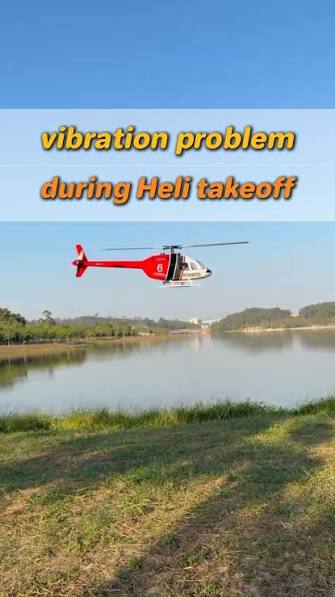
When an RC helicopter begins spinning its rotor blades from zero RPM to flight RPM, it passes through several mechanical and aerodynamic "transition zones." During these zones, the helicopter may visibly shake, wobble, or "dance" on the ground. This can look alarming to beginners as you can see from these examples:
- HeliFreak – “Serious Shake on spoll up?” (loose/tight blades, resonance, ground resonance)
- RC Groups - 450 Flybarless First Spool Up - Shaking & Bouncing
- HeliFreak – “Spool up wobble: tricks to eliminate or reduce??” (loose/tight blades, resonance, ground resonance)
- RC Groups - Vibration on spool up/down
- HeliFreak – “What causes my heli to shake during spool up?” (loose/tight blades, resonance, ground resonance)
- Blade 130 X Troubleshooting – Tail vibration during spool‑up due to resonance
The fact is.. in most cases, this is perfectly normal and this guide explains why spool-up vibration happens, how to tell normal vibration from dangerous vibration, and how to fix the common causes such as uneven blade tightness, resonance, bent shafts, or unbalanced blades.
1. Normal Spool-Up Vibration
Many helicopters experience a brief vibration during spool-up due to resonance. This is especially common in lightweight models and certain tail-drive systems. According to Blade's official troubleshooting guidance, the tail system can hit a resonant frequency at a specific RPM range during spool-up, and the vibration disappears once the helicopter moves past that range.
This means: a quick vibration during spool-up is normal as long as it disappears once the head reaches flight RPM.
2. Blade Tightness: The #1 Cause of Spool-Up Shaking
Across multiple RC forums, pilots consistently report that uneven or incorrect blade tightness is the most common cause of spool-up oscillation.
Why Blade Tightness Matters
- If blades are too loose, they lag behind during initial rotation, causing violent shaking until centrifugal force straightens them.
- If blades are too tight, they cannot align themselves naturally, causing wobble or "chicken dancing."
- Uneven tightness between the two blades causes asymmetric lift and imbalance.
The Correct Blade Tightness Test
Pilots commonly use the "gravity drop test," described in multiple forum posts:
- Straighten both main blades.
- Hold the helicopter sideways so the blades point horizontally.
- Let go of each blade:
- The blade should not sag under its own weight.
- But if you knock the rotor head firmly, the blades should move slightly.
This ensures the blades are tight enough to stay aligned but loose enough to self-correct during rotation.
Video Reference on "How Tight Main Blades should be"
3. Blade Balance & Tracking
Unbalanced blades or incorrect blade tracking can cause vibration at spool-up and throughout the flight. Forum users emphasize checking:
- Blade weight balance
- Blade center-of-gravity (CG) balance
- Blade tracking (both blades following the same rotational plane)
Even carbon blades should be checked after crashes or hard landings.
4. Bent Shafts & Mechanical Damage
If vibration appears after a crash, pilots recommend checking:
- Main shaft
- Feathering shaft
- Tail output shaft
- Torque tube or tail belt alignment
Even slight bends can cause major vibration. Many pilots roll shafts on glass to detect micro-bends.
5. Resonance & Ground Interaction ("Ground Resonance")
Some helicopters can experience a phenomenon similar to full-scale "ground resonance," especially during spool-down. This is caused by unbalanced blades and loose blade grips or dampers.
Symptoms include:
- Violent shaking during spool-down
- Helicopter "walking" or "dancing" on the ground
- Links popping off
Proper blade balance and correct blade tightness eliminate most cases.
6. Tail Rotor Vibration
High-speed vibration (blurry tail fin) usually indicates tail rotor imbalance or shaft issues.
Low-speed vibration (visible wobble in the head) usually indicates main rotor issues.
7. How to Reduce Spool-Up Vibration
- Evenly tighten both main blades.
- Perform the gravity drop test.
- Balance main and tail blades.
- Check main shaft, feathering shaft, and tail shaft for bends.
- Spool up quickly to pass resonance zones.
- Straighten blades before spool-up.
- Take off from a smooth surface (grass can trap lightweight helis).
8. Visual Examples (Recommended Videos & Images)
- Align TRex 450 SE V2 violent shaking - Likely shaking due to uneven tightened blades or rotor imbalance.
- Oxy Heli 3 board - 4K -excessive vibration - demonstrates vibration behavior at spool up. I would recommend double-check even tightness and try both loosening/tightening blades - Oxy3s are finicky
- OMPHobby M2 Evo vibration issue - This OMP has a bent shaft - You can tell from the "vibrato fan noise" it makes.
- General spool-up vibration examples - various models showing normal vs abnormal vibration.
Summary
-
Most spool-up vibration is normal:
Helicopters pass through resonance zones during spool-up. Quick throttle application helps move past them.
-
Uneven blade tightness is the #1 cause:
Blades must be evenly tightened-not too loose, not too tight. Use the gravity drop test.
-
Check for bent shafts after crashes:
Even slight bends in main, feathering, or tail shafts cause vibration. Roll shafts on glass to detect bends.
-
Balance blades and verify tracking:
Unbalanced blades or incorrect tracking cause vibration at all RPM ranges.