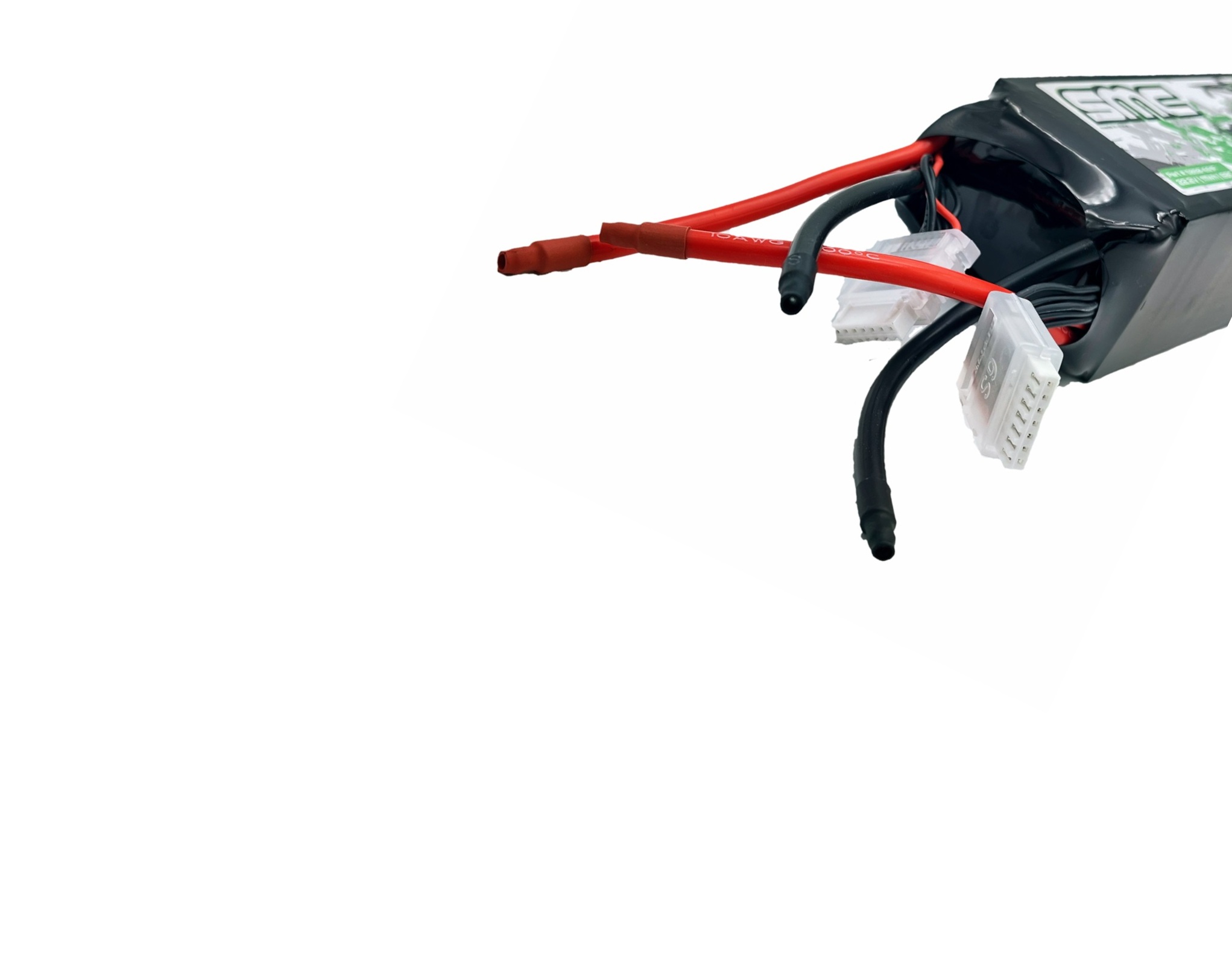
Lithium-Polymer (LiPo) Swelling & Puffing: Chemistry, Causes, Performance Impacts, and Prevention
Lithium-Polymer (LiPo) batteries have become the gold standard for high-discharge power in radio-controlled helicopters, drones, and high-performance electric vehicles due to their exceptional energy density and voltage delivery. However, every RC pilot or tech hobbyist eventually encounters a "puffed" pack—a LiPo battery that has ballooned into a rigid pillow. Understanding why LiPo batteries puff requires looking deep into their internal electrochemistry, identifying the operational triggers that accelerate gas generation, evaluating the resulting performance degradation, and establishing rigorous maintenance protocols to prevent premature failure.
LiPo Internal Structure & Electrochemistry
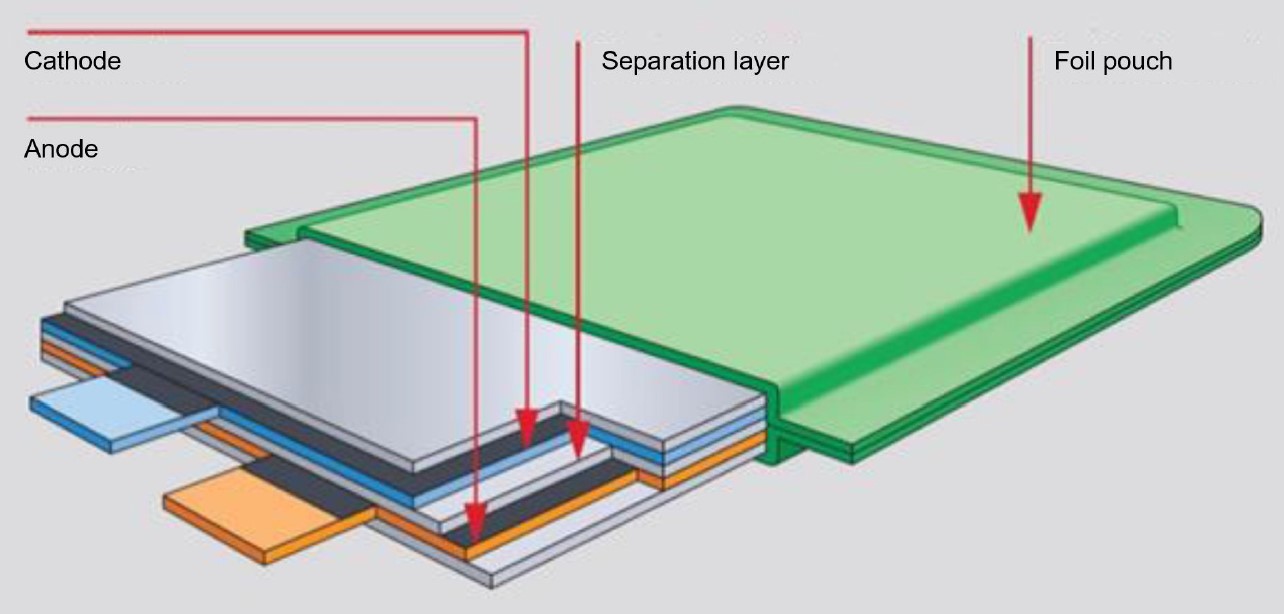
To understand why a battery puffs, you must first examine what happens inside a healthy LiPo cell. Unlike rigid-cased cylindrical cells (such as 18650 or 21700 lithium-ion cells), LiPo cells are constructed using flexible aluminum-laminated pouch enclosures.
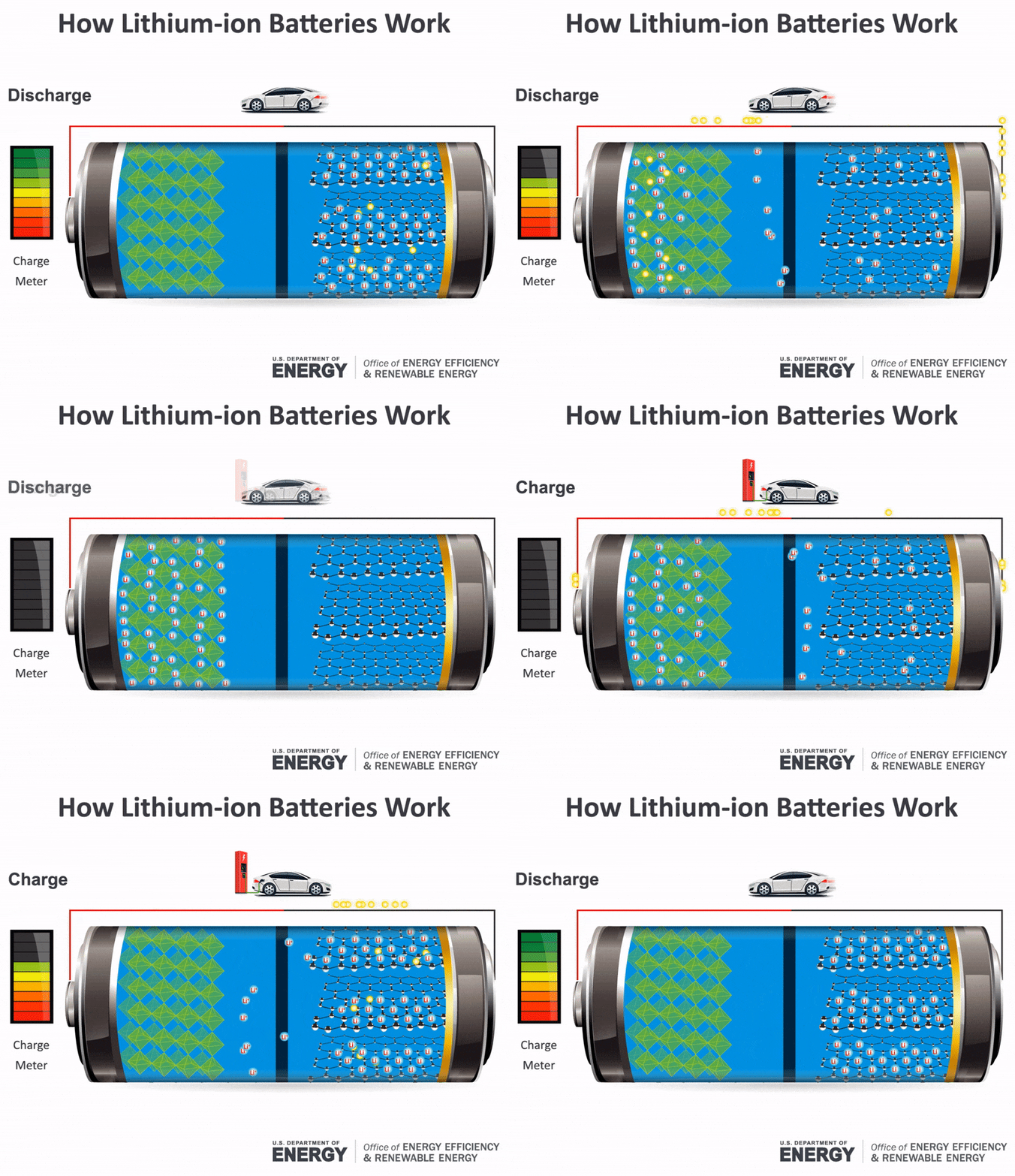
Inside the pouch, alternating layers of cathode (positive electrode made of lithium cobalt oxide or nickel-manganese-cobalt), anode (negative electrode made of graphite), and a micro-porous polymer separator are tightly stacked or wound together. These layers are submerged in a liquid organic carbonate solvent electrolyte solution containing dissolved lithium salts (typically lithium hexafluorophosphate, LiPF6).
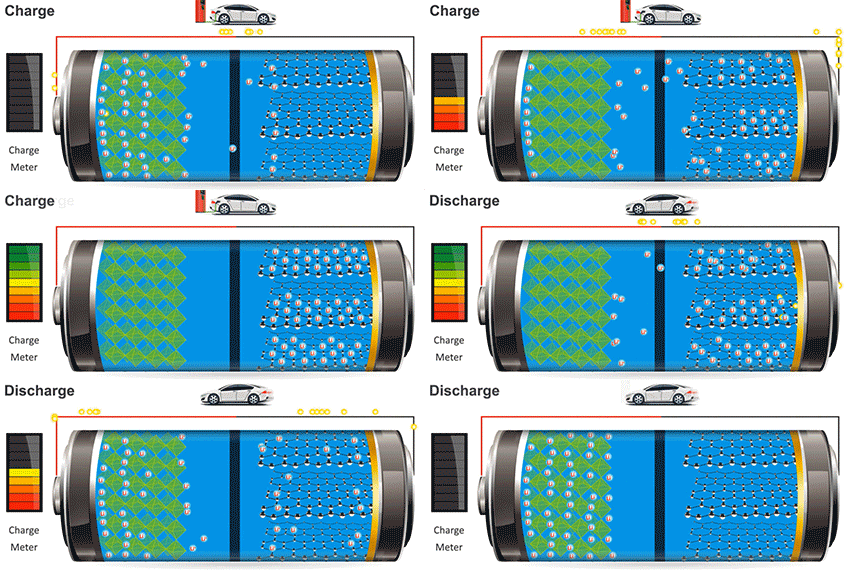
During discharge, lithium ions migrate from the anode through the separator to the cathode, releasing electrons through the external circuit. During charging, an external voltage forces the ions back into the graphite anode.
The stability of this entire system relies on a microscopic protective film called the Solid Electrolyte Interphase (SEI) layer, which forms on the surface of the anode during the initial factory charge. When operating conditions remain optimal, this system cycles smoothly. When stressed, however, the electrolyte breaks down, initiating gas generation and physical swelling.
Essential references for monitoring battery health, voltage cutoffs, and chemical handling standards.
The Core Causes of LiPo Puffing
Puffing is fundamentally caused by the accumulation of gas inside the sealed pouch. When the internal pressure exceeds the elasticity of the aluminum laminate wrapper, the cell balloons. This gas generation is driven by several distinct chemical and physical failures:
| Failure Mechanism | Trigger Condition | Chemical Result & Gas Byproduct |
|---|---|---|
| Over-Discharge | Dropping cell voltage below 3.0V under load | Copper dissolution from anode and flammable hydrocarbon gases |
| Excessive Heat | Operating or storing packs above 60°C (140°F) | Thermal decomposition releasing CO2 and organic carbonates |
| High C-Rate Stress | Exceeding continuous discharge current ratings | Rapid Joule heating, boiling electrolyte, and micro-shorts |
| Mechanical Abuse | Crashes, severe impacts, or physical pinching | Rupture of internal separator membranes causing short-circuits |
| Chemical Aging | Long-term storage at 100% charge or moisture ingress | Gradual oxidation of lithium salts and slow electrolyte outgassing |
Performance & Capacity Degradation
When a LiPo puffs, the physical expansion does more than just ruin the aesthetics of your battery pack—it fundamentally cripples its electrical performance:
-
Internal Resistance (IR) Spike:
As gas accumulates inside the pouch, it pushes the internal anode, cathode, and separator layers apart. This physical separation increases the distance lithium ions must travel, causing internal resistance to skyrocket.
-
Severe Voltage Sag Under Load:
Because internal resistance is high, high-current demands cause massive voltage sag. The pack voltage drops instantly into low-voltage cutoff territory, starving your ESC and motor of power.
-
Loss of Usable Capacity:
The chemical reactions that produce gas consume active lithium ions and destroy electrolyte volume, drastically reducing maximum flight times.
-
Thermal Runaway Vulnerability:
Puffed packs run noticeably hotter than healthy packs during identical flights, creating a dangerous feedback loop toward thermal runaway.
Safety Risks & Handling Puffed Packs
A puffed LiPo is chemically unstable. The gases trapped inside are flammable organic vapors under pressure, and the internal separator has likely been compromised.
Piercing the pouch allows oxygen to enter and react with reactive lithium compounds, instantly triggering a violent, self-sustaining lithium fire that burns at over 1,000°C.
Once a battery puffs significantly, it cannot be "un-puffed" or repaired. It must be safely discharged to 0V using a saline solution or dedicated discharger, and then disposed of at an approved hazardous waste center.
Prevention & Best Practices
While all LiPo batteries degrade eventually through normal chemical aging, you can dramatically extend their lifespan and prevent premature puffing by adhering to strict operational habits:
-
Respect Storage Voltage:
Never store LiPo batteries fully charged (4.20V per cell) for more than 2 to 3 days. Use storage mode (3.80V–3.85V per cell) for long idle periods.
-
Monitor Voltage Cutoffs:
Configure telemetry alarms to alert you when cell voltage hits 3.5V under load to avoid destructive deep discharges.
-
Match C-Ratings:
Ensure your battery continuous discharge rating safely matches or exceeds your power system's peak current requirements.
-
Temperature Management:
Allow cold packs to warm to room temperature before flying, and never charge or discharge outside safe thermal parameters.
Safe Discharge and Disposal Protocol for Puffed LiPo Batteries
When a Lithium-Polymer battery has puffed beyond safe operational limits or suffered structural damage, attempting to salvage or "un-puff" the pack is strictly prohibited. Safely neutralizing and disposing of a compromised cell requires careful execution to eliminate fire hazards and protect your workspace.
-
Prepare a Safe Outdoor Location:
Always perform chemical discharge and disposal procedures outdoors, well away from structures, vehicles, dry grass, and flammable materials. Keep a Class D fire extinguisher or a bucket of dry sand nearby.
-
Slow Discharge via Resistor or Saline Bath:
Connect a low-current discharge bulb, a high-wattage resistor, or place the battery into a non-conductive container filled with heavily salted water (approx. 1/2 cup of salt per gallon of warm water). The salt solution acts as a weak electrolyte, slowly and safely bleeding the remaining electrical charge down to 0V over 24 to 48 hours until no bubbling or voltage remains.
-
Inspect and Verify Zero Voltage:
Use a digital multimeter to check the main discharge leads and balance wires. Confirm that the voltage across all cells has dropped completely to 0.0V before proceeding.
-
Recycle at an Authorized Facility:
Even at 0V, the chemical components inside a LiPo battery remain hazardous. Do not throw discharged packs into household trash. Take the neutralized battery to a local hazardous waste collection center, electronic recycling depot, or a hobby shop with an active lithium battery recycling drop-off program.