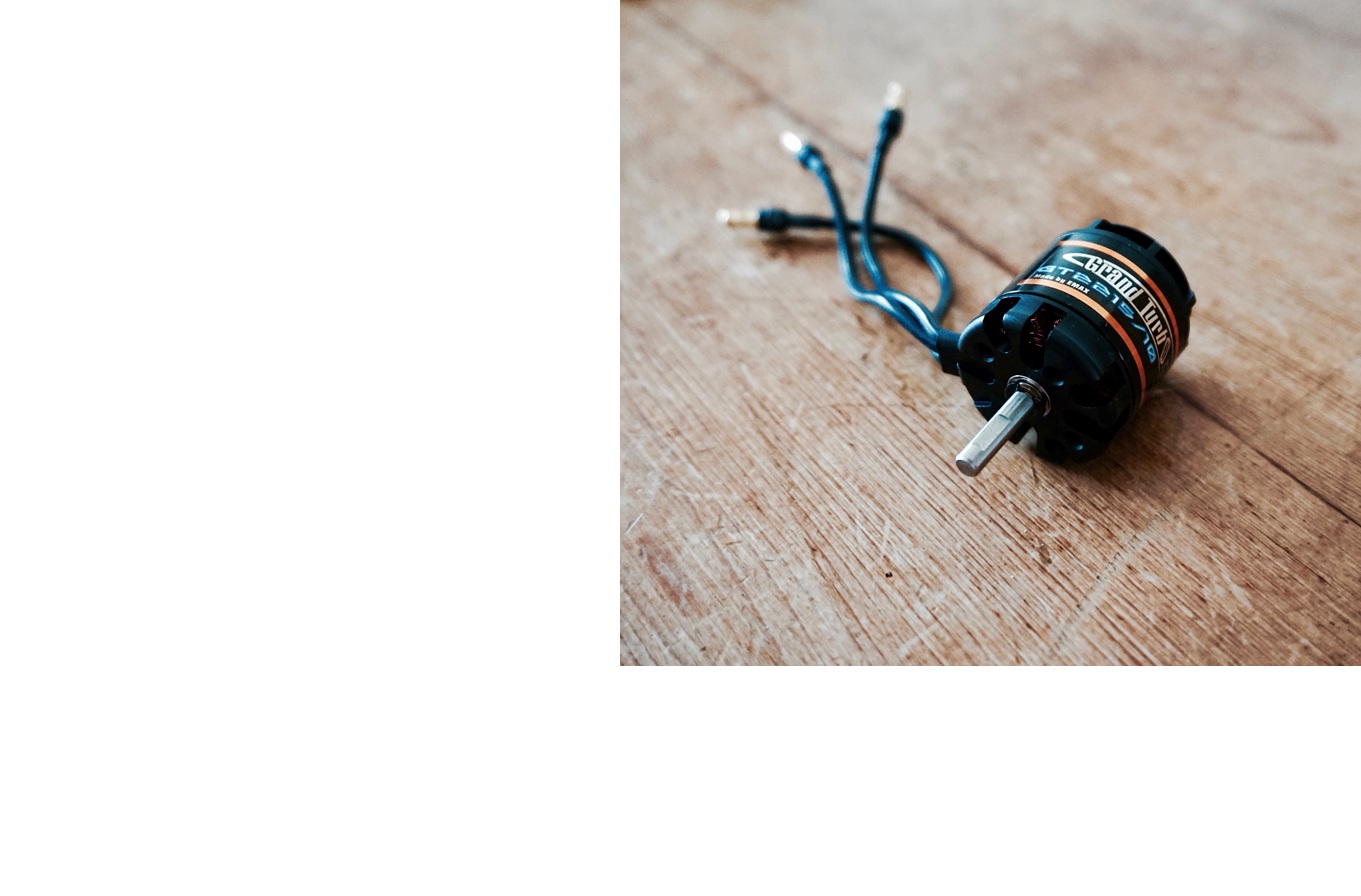
Motor Windings: 1Y vs Standard vs 3Y
A 1Y winding refers to a single-phase motor winding connected in a Y (wye or star) configuration, typically used in low-power or fractional-horsepower applications. In contrast, a 3Y winding is a three-phase Y-connected winding, which is standard in industrial motors for balanced torque and efficiency.
Comparison Table
| Feature | 1Y Winding | Standard Winding | 3Y Winding |
|---|---|---|---|
| Phases | 1 (Single-phase) | Varies (often 3-phase or delta) | 3 (Three-phase) |
| Configuration | Y (Star) | Delta, Y, or custom | Y (Star) |
| Use Case | Small motors, gearmotors, appliances | General-purpose motors | Industrial motors, HVAC, automation |
| Torque Balance | Unbalanced (requires start mechanism) | Depends on type | Balanced torque across all phases |
| Efficiency | Lower | Moderate to high | High |
| Starting Method | Capacitor or shaded pole | Depends on design | Often direct-on-line or soft start |
| Neutral Point | Present | May or may not be present | Present |
1Y windings are compact and cost-effective for low-power applications but have limitations in torque and efficiency. 3Y windings are the backbone of industrial motor design, offering smooth rotation, high efficiency, and balanced load across phases.