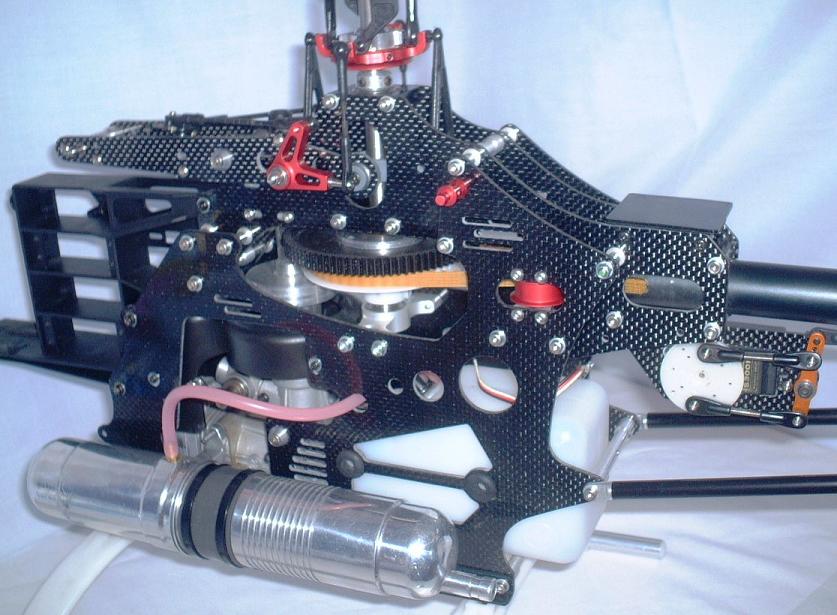
Typical RC Helicopter Crash Parts - Low vs High Crash Energy
RC Helicopter Crash Cost Guide & Damage Assessment
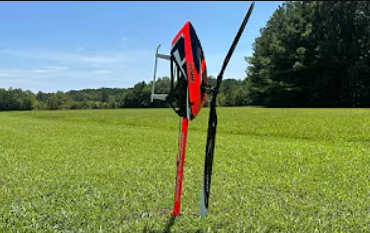
Crashing is an unfortunate but inevitable part of flying RC helicopters. Whether you're learning new maneuvers, flying in unpredictable wind, or simply experiencing a mechanical or electronics failure, crashes happen — and understanding the typical cost and damage patterns helps you plan, budget, and repair efficiently.
This guide breaks down the common “layers” of crash damage, explains what typically fails first, and provides a cost‑estimation table for 380mm, 550mm, and 700mm class helicopters.
Crash Damage Layers
Most crashes fall into two broad categories: Low‑impact crashes and High‑impact crashes. These aren’t official engineering terms — they’re practical categories used by pilots to estimate repair scope.
Low‑Impact Crash
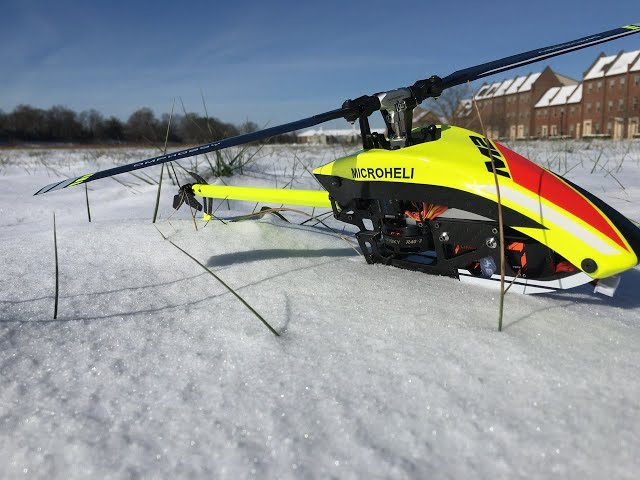
These usually involve tip‑overs, blade strikes during landing, or low‑speed ground contact. Typical damage includes:
- Main blades (minor chips or cracks)
- Feathering shaft
- Main shaft
- Landing gear
- Canopy mounts
- Tail boom (light bends)
- Tail blades
- Linkages and ball links
High‑Impact Crash
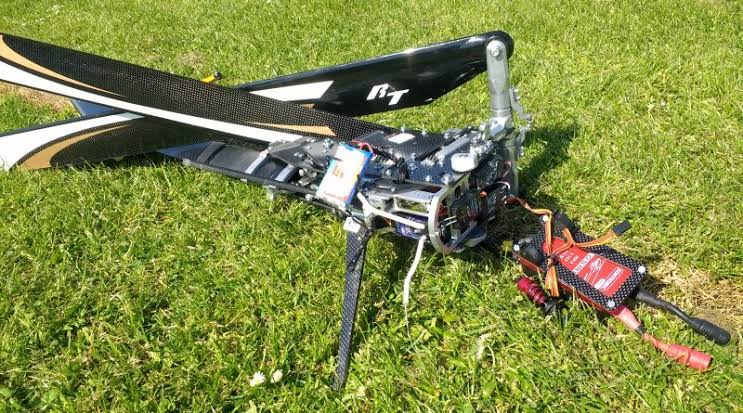
These involve full‑speed impacts, inverted crashes, or high‑energy blade strikes. Damage often includes everything in the low‑impact list plus:
- Frame side plates
- Motor mount or motor shaft
- ESC damage from impact or wire pull
- Servo gears (especially cyclic servos)
- Tail gearbox or tail shaft
- Torque tube or belt system
- Head block or spindle housing
- Battery (if impacted)
What to do when you crash (COVERED IN RC FLIGHTPATH FLIGHT SCHOOL TRAINING):
-
I'm sure you've figured out by now that the HOLD switch (on your TX) is your friend. If you haven't already engaged your HOLD switch as your went down or now that you're "down" - do so now.
-
Bring a bag/box if you have one and walk to the crash site but DO NOT pickup the helicopter.
-
Look at the crashed helicopter and try to determine if it bounced there or actually landed there.
-
Without handling the heli, review the rotorhead, tail, and frame to see if anything is missing
-
Again, not touching - Look for missing parts and place them in your bag/box once found.
-
Look around the area to find a twig, pylon, stick, branch, trash, or anything to grab and place next to the heli in order to mark the location of the crash
-
While keeping the battery plugged in (if it still is), pickup the helicopter and immediately look at the Receiver and look to see if it's still plugged in and has an LED (Spektrum users, look to see if the amber LED is solid or blinking - this indicates if the TX/RX lost link at some point).
-
Keep "HOLD" engaged while handling the newly crashed helicopter.
-
Bring it back to the "Bench" and unplug the battery.
-
Inspect for missing parts.
-
If you find anything missing - return to the crash site (now marked w/your marker item in #6) and search for it.
NOTE: If you follow these steps - you too can look like a PROFESSIONAL CRASHER
Once obvious mechanical damage is identified, inspect inward: frame alignment, gear mesh, motor mount integrity, and electronics. A helpful general crash‑inspection guide can be found at Goodies RC.
For long‑term maintenance standards and replacement cycles, see FlishRC.
Crash Cost Estimation Table
The following table provides typical cost ranges for low‑impact and high‑impact crashes across three popular helicopter classes. These numbers reflect common parts pricing and typical crash patterns reported by pilots.
| Crash Cost Level | Blade/OMP helicopter | 380mm class helicopter | 550mm class helicopter | 700mm class helicopter |
|---|---|---|---|---|
| High | $50 – $80 | $180 – $260 | $260 – $380 | $380 – $550+ |
| Low | $20 – $30 | $60 – $120 | $120 – $220 | $220 – $320 |
Crash Cost Examples
Parts List for Blade 235 CP - Retrieved by Gemini (9/17/2026)
| Part Name | Estimated Cost (USD) | Source Verification / Reference |
|---|---|---|
| Main Rotor Blade Set | $12.99 – $13.99 | Based on typical Blade 230S/235CP rotor pricing |
| Blade Main Shaft Pack | $9.99 | Official Horizon Hobby Listing (Includes collar & screws) |
| Feathering / Spindle Shaft Set | $5.99 | Standard replacement price across mid-size Blade helis |
| Landing Gear Skid Set | $5.99 – $8.99 | Typical replacement landing skid pricing |
| Blade Canopy Mount Pack | $3.99 | Official Horizon Hobby Listing (2x posts) |
| Blade Tail Boom | $8.99 | Official Horizon Hobby Listing (Aluminum) |
| Tail Rotor Blade Set | $3.99 – $7.99 | Based on typical Blade motorized tail rotor kit pricing |
| Blade Linkage Rod & Ball Link Set | $5.99 | Official Horizon Hobby Listing |
| Estimated Total Basket | $51.92 – $59.92 | Excludes taxes, shipping, and custom canopy shells. |
Parts List for SAB IL Goblin 700 - Retrieved by Gemini (9/17/2026)
| Part Description (SAB 700 Class) | Estimated Cost (USD) | Sourced Store & Verification |
|---|---|---|
| SAB Goblin 700mm "S Line" Carbon Fiber Main Blades | $108.90 – $119.90 | AMain Hobbies / HeliDirect |
| SAB Spindle Shaft / Feathering Shaft (Goblin 700) | $17.60 | HeliDirect Listing (H0079-S) |
| SAB Goblin Steel Main Shaft (ilGoblin Pro/Raw 700) | $19.80 | AMain Listing (SABH1728-S) |
| SAB Plastic Landing Gear Set (ilGoblin / Raw 700) | $17.60 | AMain Listing (SABH2052-S) |
| SAB Titanium Main Linkage & Ball Cup Set | $22.00 – $23.10 | BK Hobbies / AMain (SABH0722-S) |
| SAB Goblin 700 Tail Boom (Aluminum / Color Paint) | $29.70 – $39.60 | AMain Listing (SABH1349-S) |
| SAB Carbon Fiber Tail Fin Assembly | $20.90 | AMain Listing (SABH1713-S) |
| SAB S110 Carbon Fiber Tail Blades (110mm Pair) | $31.90 | HeliDirect (S110-Y) |
| Estimated Total Basket | $268.40 – $291.40 | Excludes carbon canopy replacement upgrades ($104–$130). |
Final Thoughts
Crash costs scale with helicopter size, but the pattern of damage remains surprisingly consistent across classes. Understanding these layers helps you diagnose damage quickly, avoid unnecessary part replacements, and budget realistically for the hobby.
With proper inspection, maintenance, and part selection, even high‑impact crashes can be repaired efficiently — keeping you flying safely and confidently.
Keep or Record reciepts for future (Financial) Analysis