Top Beginner RC Aircraft (Community & Review Consensus)
Best Beginner RC Airplane
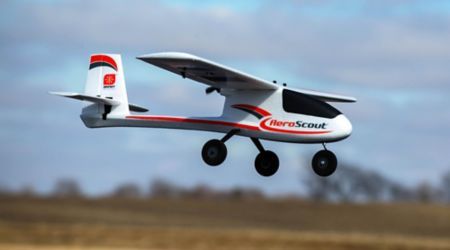
HobbyZone AeroScout S 2 (1.1m)
- Brand: HobbyZone (Horizon Hobby family)
- Model: AeroScout S 2
- Type: High-wing foam trainer, pusher prop, RTF options
Why it consistently ranks #1 for beginners
-
SAFE stabilization & beginner flight modes:
Built‑in Spektrum SAFE/AS3X keeps the airplane level, limits bank/pitch angles,
and offers “panic” recovery—exactly what forums and YouTube reviewers highlight
as the reason new pilots actually survive their first flights.
-
Pusher prop layout for crash forgiveness:
The motor and prop are mounted behind the wing, so nose‑ins and rough landings
rarely destroy the prop or motor. This “survives bad landings” trait is a major
reason it’s recommended over more fragile front‑prop trainers.
-
Durable EPO foam and big wheels:
Tough foam, oversized tires, and a steerable nose wheel make grass field
takeoffs and landings much easier. Reviewers and club instructors repeatedly
mention that it shrugs off beginner mistakes instead of turning them into
expensive repairs.
-
Size that’s easy to see but still portable:
Around 1.1 m wingspan—large enough to be stable and visible in the sky, yet
small enough to fit in most cars without disassembly. This balance is often
cited as why it works for “most beginners, most flying fields.”
-
Grows with your skills:
Multiple flight modes let you start in full assist, then step down to
intermediate and finally to full manual sport flying. Many pilots keep flying
the AeroScout long after they’ve moved on to more advanced planes, which is
why it shows up as “best first plane overall” in so many buying guides.
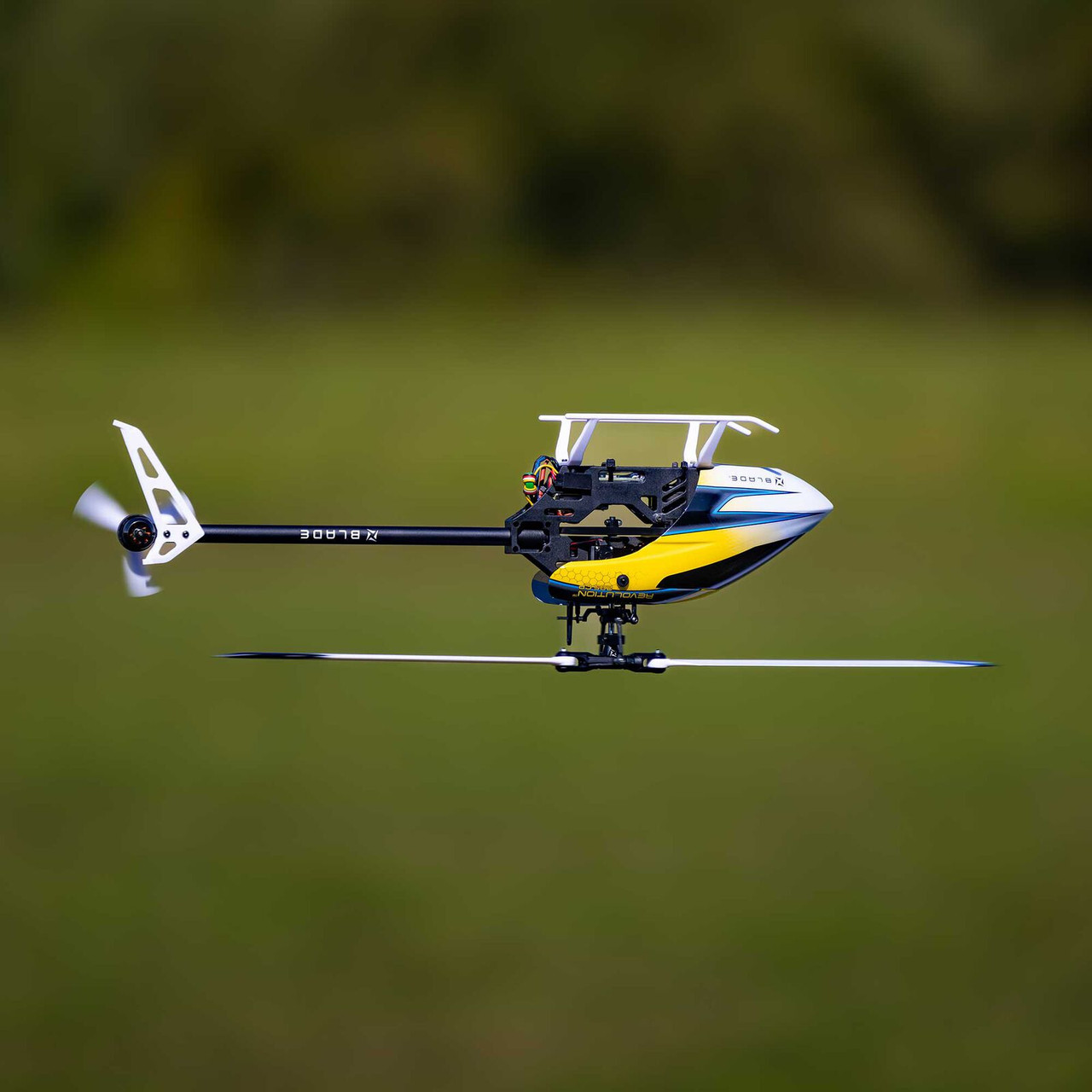
Blade 230 S / 230 S Smart
- Brand: Blade (Horizon Hobby)
- Model: 230 S / 230 S Smart (often recommended as first CP heli)
- Type: Electric collective‑pitch helicopter, 3D‑capable, flybarless
Why many pilots pick it as their “first real heli”
-
SAFE stabilization and rescue:
The flight controller offers self‑leveling and a “panic” rescue mode that
instantly returns the heli to upright, level flight. This gives beginners a
safety net while they learn collective‑pitch behavior and orientation.
-
Multiple flight modes for progression:
Beginner, intermediate, and advanced modes limit bank angles and tame the
controls at first, then gradually unlock full performance. That step‑up path
is why it’s often recommended as a heli you can grow into instead of outgrowing
in a few weeks.
-
Size and visibility:
Larger and more powerful than micro indoor helis, but still manageable and
relatively quiet. Its size makes it easier to see orientation outdoors, which
is crucial when learning nose‑in and side‑in hovering and circuits.
-
Parts support and community knowledge:
Blade helicopters have strong parts availability and a big user base. That
means plenty of setup guides, troubleshooting tips, and upgrade paths—very
helpful when you’re learning to maintain and repair a CP heli.
-
Real collective‑pitch training platform:
Unlike toy‑grade coaxials, the 230 S behaves like a “real” RC helicopter:
collective controls lift, cyclic controls attitude, and tail authority feels
closer to larger 450‑class machines. Many pilots use it as a bridge between
simulator practice and bigger helis.
-
Durable for its class:
It’s still a CP heli—crashes can be costly—but the plastic/nylon components
and common spares make typical beginner mishaps more survivable and repairable
than on some larger, more expensive platforms.
Best Beginner Indoor RC Helicopter
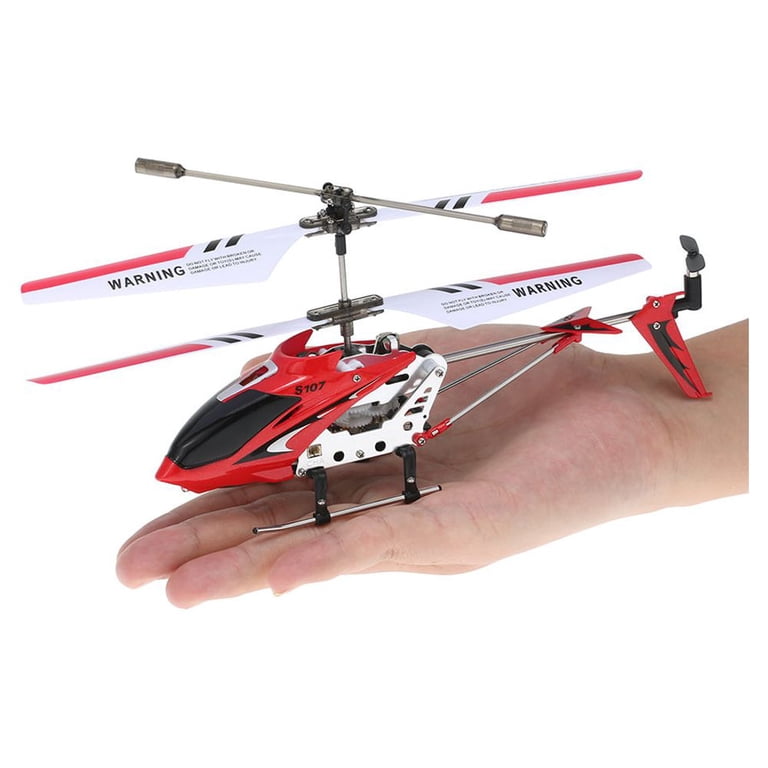
Syma S107G (often sold as Cheerwing/“Phantom” variants)
- Brand: Syma (also re‑branded by Cheerwing in some markets)
- Model: S107G 3‑channel coaxial helicopter
- Type: Indoor, coaxial (dual‑rotor) micro helicopter
Why it’s the most commonly recommended beginner helicopter
-
Extremely stable coaxial design:
Dual counter‑rotating rotors cancel torque and make hovering almost “hands‑off.”
Forum posts and Amazon reviews repeatedly call it “the easiest heli to fly”
for absolute beginners and kids.
-
Gyro‑assisted flight:
Built‑in gyro keeps the nose from wandering and smooths out inputs, so new
pilots can focus on basic throttle and direction instead of constantly fighting
drift. This stability is a key reason it tops “best beginner heli” lists.
-
Durable metal frame and flexible blades:
The metal body and forgiving rotor design let it survive the classic beginner
crash into walls, furniture, and floors. Reviewers often mention dozens of
crashes with minimal or no damage—huge factor in its popularity.
-
Low cost, high availability:
It’s inexpensive, widely sold, and has tons of spare parts. That combination
makes it the default recommendation in YouTube comments, Reddit threads, and
hobby blogs when someone asks, “What should I buy as my first heli?”
-
Simple 3‑channel control scheme:
Throttle, yaw, and forward/backward pitch only—no roll axis—keeps the learning
curve gentle. Many guides explicitly call out this simplicity as ideal for
“true first‑timer” training before moving to more advanced fixed‑pitch or
collective‑pitch helicopters.