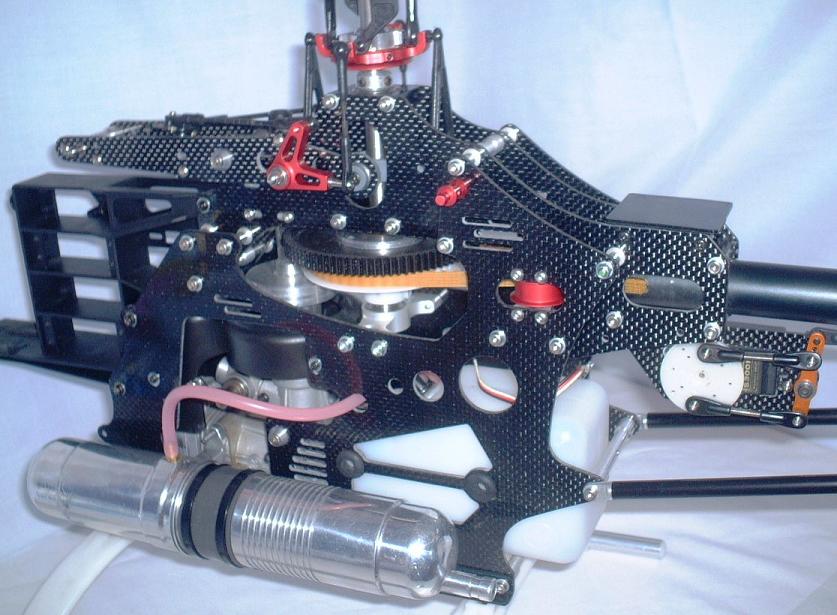
Is the RC Helicopter Industry on the Rise or Decline?
Based on recent market research and industry reports as of 2026, the RC helicopter industry is currently on the rise, not in decline. While the surge of consumer drones (quadcopters) initially disrupted the traditional RC helicopter hobby a few years ago, the helicopter market has successfully integrated drone technology to stabilize and expand its own dedicated growth.
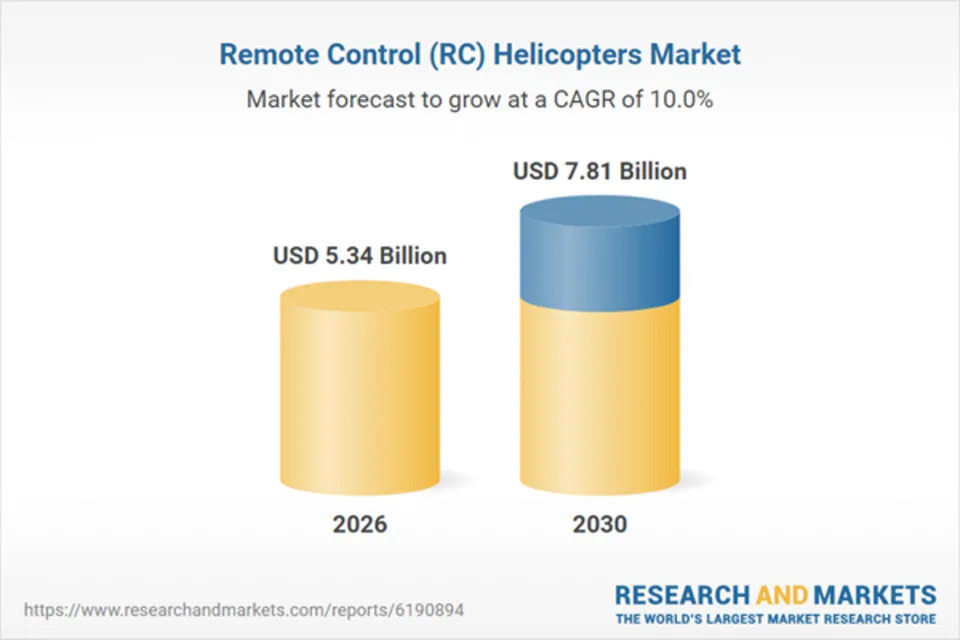
According to 2025/2026 industry forecasts, the global RC Helicopter Market is experiencing steady expansion and is projected to grow at a Compound Annual Growth Rate (CAGR) of approximately 4.4% to 6.9% over the next decade, with varying reports estimating the market to reach between $3 billion and $5.2 billion by 2035.
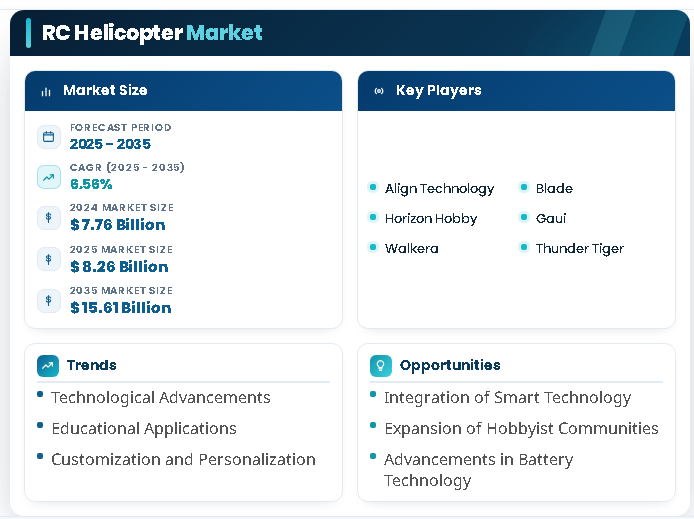
See this report by Yahoo FinanceAs per Market Research Future analysis, the RC Helicopter Market Size was estimated at 7.756 USD Billion in 2024. The RC Helicopter industry is projected to grow from 8.265 USD Billion in 2025 to 15.61 USD Billion by 2035, exhibiting a compound annual growth rate (CAGR) of 6.56% during the forecast period 2025 - 2035
of Evidence & Primary Drivers
-
Technological Transfer & Easier Learning Curves
In the past, flying an RC helicopter required dozens of hours of simulator practice just to hover. Today, the technology that made drones so popular-such as 6-axis gyros, barometers, and GPS-has been fully integrated into RC helicopters.
- Smart Flight Controllers: Systems like modern flybarless (FBL) controllers (e.g., Rotorflight, RadioMaster) offer "rescue modes" and self-leveling. This allows novices to achieve stable flights within minutes, drastically lowering the barrier to entry. The advancements of this technology can be largely attributed to Horizon Hobby but started as early as the days of the iKON and Skookum flight controllers.
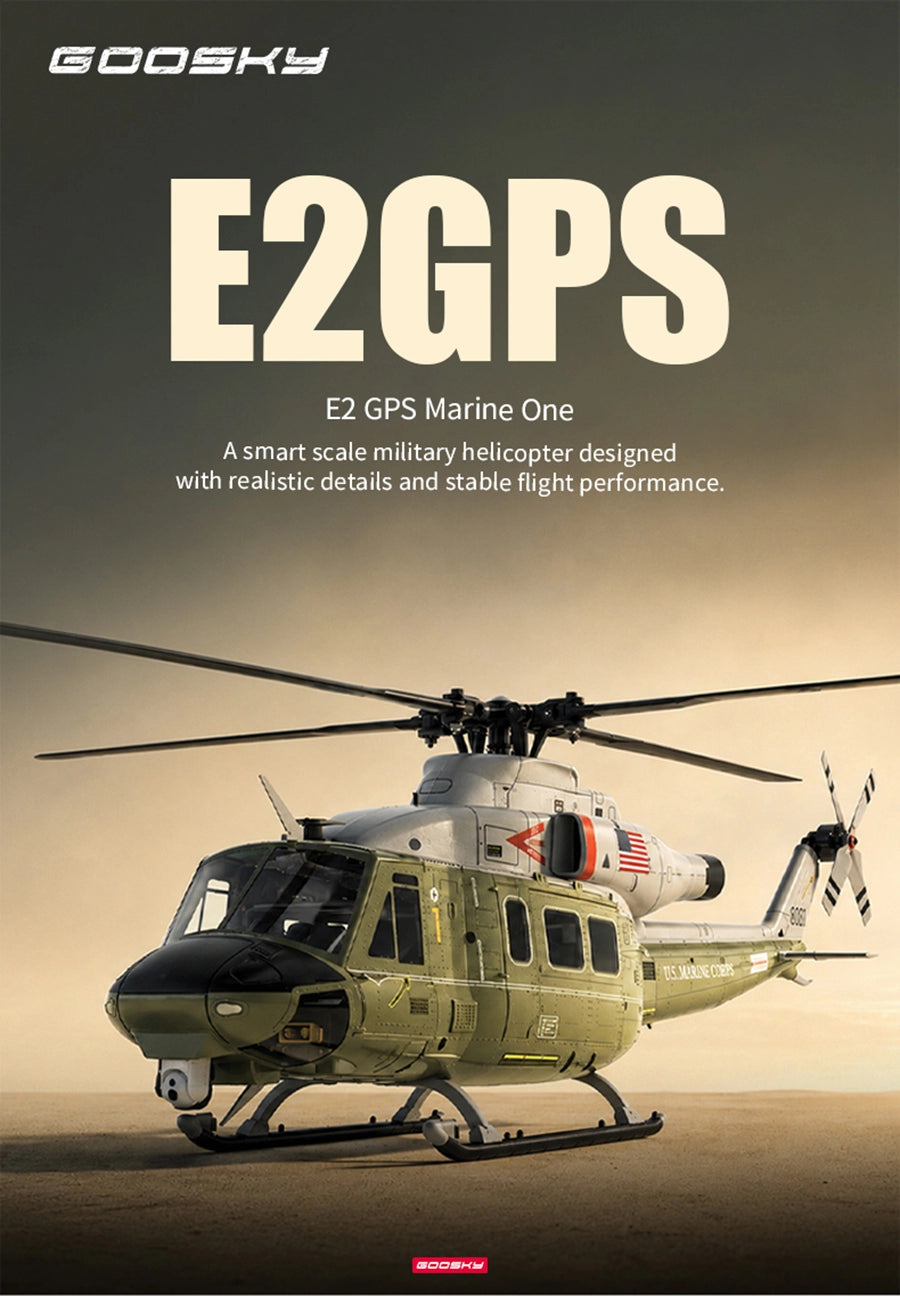
- GPS Integration: GPS integration completely transformed the RC helicopter hobby by shifting it from one of the hardest RC disciplines to master to an accessible, drone-like experience. Historically, traditional RC helicopters required constant, split-second manual corrections just to stay in the air.By adding GPS modules, compasses, and barometric sensors, manufacturers created a bridge between complex mechanical flight and automated flight assistance
-
Massive
Battery Advancements
The evolution of Lithium-Polymer (LiPo) and Lithium-Ion (Li-ion) batteries has revolutionized RC helicopter performance.
- Longer Flight Times: Modern battery chemistry and power management systems have extended flight durations significantly. What used to be a standard 8-minute flight can now comfortably push into 20-30 minutes on certain setups.
- Higher Output: High-discharge-rate batteries (40C to 100C) allow electric helicopters to perform aggressive, high-speed 3D maneuvers that previously required messy and complicated nitro/gas engines.
-
A
Bifurcated but Highly Dedicated Market
Market analysis shows that the RC helicopter space has split into two very successful tiers:
- The Mass Market: Affordable, ready-to-fly (RTF) indoor and outdoor electric models are driving volume, particularly in emerging markets like the Asia-Pacific region, due to rising disposable incomes.
- The Premium Hobbyist Segment: Concentrated heavily in North America and Europe, the enthusiast sector is fueling high margins. Pilots in this tier spend heavily on performance upgrades, CNC aluminum parts, high-end radios, and community events.
-
Commercial & Educational Crossover
Beyond the hobbyist realm, RC helicopters are seeing increased adoption in the commercial and educational sectors. Their ability to carry specialized payloads, handle high winds better than some multicopters, and fly at high speeds makes them valuable for custom aerial photography, surveying, and aviation training programs.
The Takeaway: Rather than being replaced by drones, RC helicopters absorbed their best traits. The shift toward eco-friendly, electric-powered models equipped with smart stabilization has breathed new life into the industry, ensuring it continues to grow both as a specialized commercial tool and a high-performance hobby.